
Thursday, April 30
5:30 –7:30 PM
Ribbon Cutting — 4:30 PM
Join us for a brief introduction to Alypos, including a tour of the clinc and light refreshments.
Meet Dr. Brian Bernhardt and learn how we approach diagnosis and treatment using advanced regenerative and precision-guided care.
596 N Kimball Avenue, Suite 110
Southlake, Texas
RSVP via Text: (817) 214-6198
RSVPConfirmation sent by
Thank you, not at this time
For patients whose pain has not responded to standard treatment—and for those seeking a more thoughtful approach earlier—we focus on understanding why pain persists and what course of care is most appropriate.
Clarity. Then Intervention.

Dr. Bernhardt is triple board-certified in Anesthesiology, Pain Medicine, and Interventional Pain Management (ABA, ABPM, ABIPP).
His practice emphasizes complex diagnostic evaluation, dynamic ultrasound assessment, and precision image-guided intervention for patients who have not improved with standard treatment approaches.
All evaluations and treatment at Alypos is performed directly by Dr. Bernhardt, care focused on identifying the underlying cause before recomending intervention.
Alypos Regenerative Pain and Wellness is based in Southlake, Texas, and provides individualized regenerative medicine and precision pain care by Dr. Brian Bernhardt, a triple board-certified physician.
Care at Alypos is intentionally unhurried and individualized. Recommendations are guided by clinical assessment, prior response to treatment, and patient history—with an emphasis on thoughtful decision-making rather than predefined pathways.
Learn Here★★★★★
“Dr. Bernhardt listens to your concerns and responds with thoughtful solutions.”
★★★★★
“Very caring and honest physician.”
★★★★★
“He explained my pain clearly and offered options before surgery.”
Based on over 50 patient reviews (4.8 average rating).
Care at Alypos begins with a physician consultation focused on identifying the underlying source of your symptoms before recommending treatment.
The evaluation includes a detailed clinical assessment, review of prior imaging and treatments, and targeted dynamic ultrasound examination.
The goal is clarity before intervention—developing a treatment plan that helps patients return to the activities, movement, and performance they value most.
All evaluations and treatments at Alypos are performed directly by the physician with advanced ultrasound imaging and interventional expertise.
Advanced interventional and supportive therapies are incorporated when clinically appropriate.

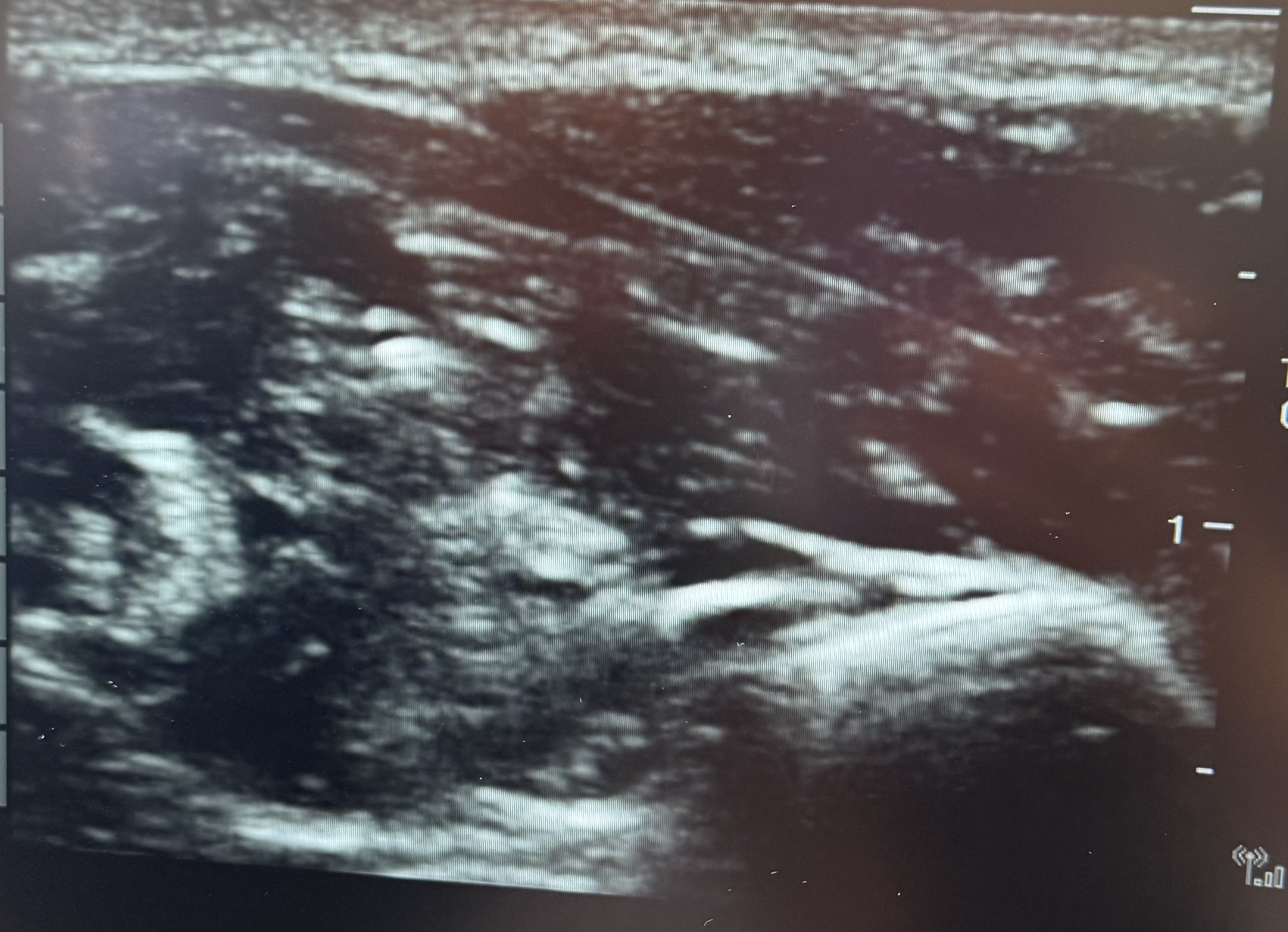
A more precise approach to identifying pain generators, movement dysfunction, tissue injury, and procedural targets.
Patients throughout Southlake and the greater North Texas area come to Alypos for evaluation of persistent or complex musculoskeletal pain and pain-related concerns that affect movement, function, performance, or quality of life.
Many have undergone prior evaluations or treatments without achieving clear answers or durable improvement and are seeking a more deliberate and comprehensive approach.
Clinical concerns commonly evaluated include foot & ankle pain, knee pain, hip pain, shoulder pain and spine-related pain with or without radicular symptoms; tendon and ligament injuries; sports and overuse conditions; degenerative musculoskeletal disorders; neuropathic or post-injury pain syndromes; headache and select performance, recovery, and tissue-health concerns.
Care is individualized. Not every condition requires—and not every patient is offered—procedural intervention.
Treatment recommendations are guided by clinical findings and patient- specific goals.
Physician-directed regenerative and image-guided therapies selected based on diagnostic findings, tissue characteristics, and patient-specific goals
Many regenerative practices utilize standardized commercial preparation systems built around fixed processing protocols.
Alypos instead employs individualized biologic preparation tailored to the target tissue, procedural objective, and desired biologic profile.
Each procedure is guided by real-time imaging and individualized planning.
Image-guided platelet-based therapies used to support tissue healing and functional recovery in joints, tendons, ligaments, nerves and soft tissue.
Pysician-performed autologous bone marrow–derived cellular therapy used in carefully selected orthopedic and degenerative conditions, with emphasis on diagnostic clarity and procedural precision.
Targeted harvested and processing of adipose tissue for select musculoskeletal and soft-tissue conditions, performed with careful patient selection and individualized planning.
Platelet-based scalp restoration therapies, guided by ultrasound imaging and individualized treatment planning.
These therapies are offered selectively, guided by comprehensive evaluation and clinical judgment.
Select patients may benefit from adjunctive metabolic or recovery-focused therapies incorporated into a broader treatment strategy.
Adjunctive IV and metabolic therapies may be incorporated selectively based on clinical findings, recovery goals, and overall treatment planning.
Supportive therapies are individualized and intended to complement—not replace—comprehensive diagnostic and procedural care.
These therapies are offered selectively, guided by comprehensive evaluation and clinical judgment.
Ketamine-assisted therapy may be considered selectively for carefully evaluated patients with chronic pain, central sensitization, treatment-resistant depression, PTSD, anxiety-related symptom burden, or complex recovery conditions.
Treatment planning emphasizes physician evaluation, physiologic monitoring, individualized dosing strategies, and integration into a broader clinical framework rather than standalone infusion-based care.
Care may be coordinated with existing mental health, primary care, and specialty providers when appropriate.

A consultation focused on identifying the true source of pain and defining a clear path forward.
This is not a brief screening visit.
When appropriate, diagnostic ultrasound is used to further clarify joint, tendon, ligament, and nerve-related contributors to pain.
Each consultation includes dedicated time for detailed clinical assessment, review of prior imaging and medical history, and a clear, individualized plan outlining which treatments are appropriate—and why—along with broader strategies for recovery, function, and long-term outcomes.
